“The narrative brims with near crashes, financial brinkmanship, and high-speed ambition, often reading like Mad Men at 40,000 feet.”
-Library Journal (starred review)
“Josh Dean has delivered a kerosene-soaked masterclass in what extreme innovation looks, feels and even smells like. This story could not be more timely as the U.S. tries to revive its industrial base and rekindle its inventive spirit.”
— Ashlee Vance, New York Times best-selling author of “Elon Musk: Tesla, SpaceX, and the Quest for a Fantastic Future”
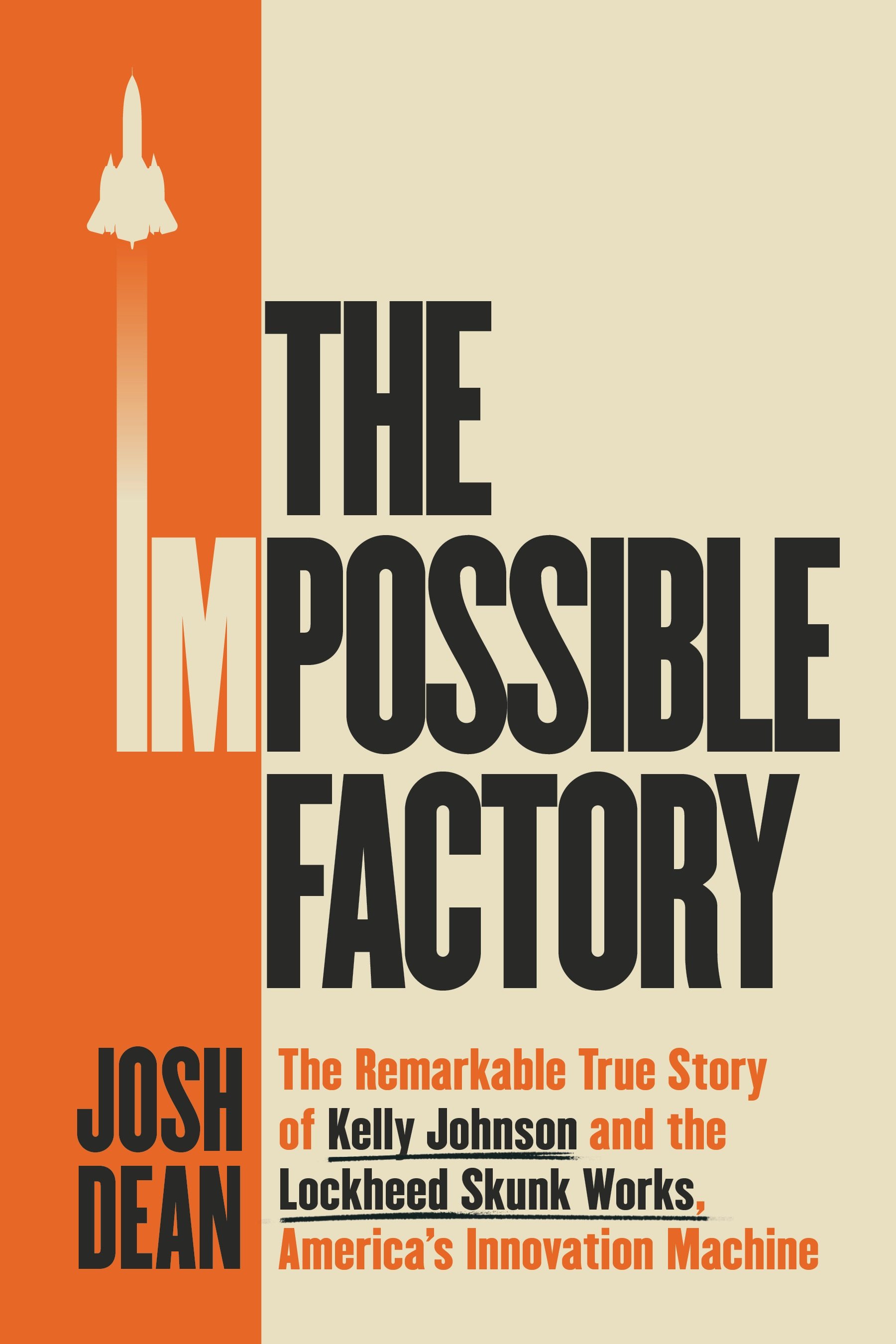
The incredible true story of America’s innovation machine
It began with a humble warehouse building in Burbank, California, and a charismatic young engineer named Kelly Johnson. In 1938, Johnson, who was then freshly out of the University of Michigan’s school of engineering, got the idea for a small, agile, disruptive engineering shop—one that could help America’s war machine innovate more quickly. By 1943, with the U.S. now in World War II and desperate for new technology, “Advanced Development Projects” — later nicknamed the “Skunk Works” — was born.
During Johnson’s forty-seven years at Lockheed Martin, the Skunk Works developed at least half a dozen planes that would have been the capstone achievement of anyone else’s career. There was the P-38 Lighting, which outdueled Axis pilots over Europe and the Pacific. The XP-80, America’s first ever fighter jet, which did indeed help the Allies win World War II. The Constellation, the first passenger plane with a pressurized cabin, revolutionized commercial air travel. The U-2 spy plane, which could reach an astonishing altitude of 70,000 feet, enabling it to fly dangerous covert missions in Soviet airspace during the height of the Cold War. And perhaps most famous of all, the A-12/SR-71 Blackbird, one of the most unusual, and iconic, planes ever designed.
But the planes were only part of Kelly Johnson’s legacy. There was also his management style, which would come to shape organizations for decades to come.
Under him, the Skunk Works’ structure — flat management, no red tape, extraordinary speed — became the model for nurturing innovation, and eventually would fuel the nimble startups of Silicon Valley. Half a century before Mark Zuckerberg said “move fast and break things,” Kelly Johnson was living that mantra — and at the same time helping the Department of Defense secure the fate of the free world.
The Impossible Factory is the book we’ve been waiting for. The title suggests it is part biography of aviation legend Kelly Johnson and part history of the innovative Lockheed Skunk Works, but it is so much more. Dean has somehow managed to weave together these stories with the broader history of aviation and the twentieth century in an engaging, sometimes humorous, page-turning way … This book needs to be on the shelf of anyone interested in the story of a fascinating man, military aviation, and the history of the twentieth-century.
—Katherine Sharp Landdeck, author of The Women with Silver Wings: The Inspiring True Story of the Women Airforce Service Pilots of World War II
An immersive account of Lockheed Martin's Skunk Works and its visionary founder, Kelly Johnson. The Impossible Factory brings to life the flat management and speed-focused approach that would become a precursor to the ‘move fast and break things’ mantra of Silicon Valley. Josh tells this epic story of the power of American ingenuity with style, making you feel like you're working with Johnson on the 20th Century's signature aircraft.
—Kevin Maurer, New York Times bestselling co-author of No Easy Day
WHAT WAS THE SKUNKWORKS?
Half a century before Facebook founder Mark Zuckerberg coined the motto “move fast and break things,” Kelly Johnson was living that mantra—and many others he himself coined, like “be quick, be quiet, be on time”—while also helping the Department of Defense secure the fate of the free world from a nondescript hub in the San Fernando Valley.
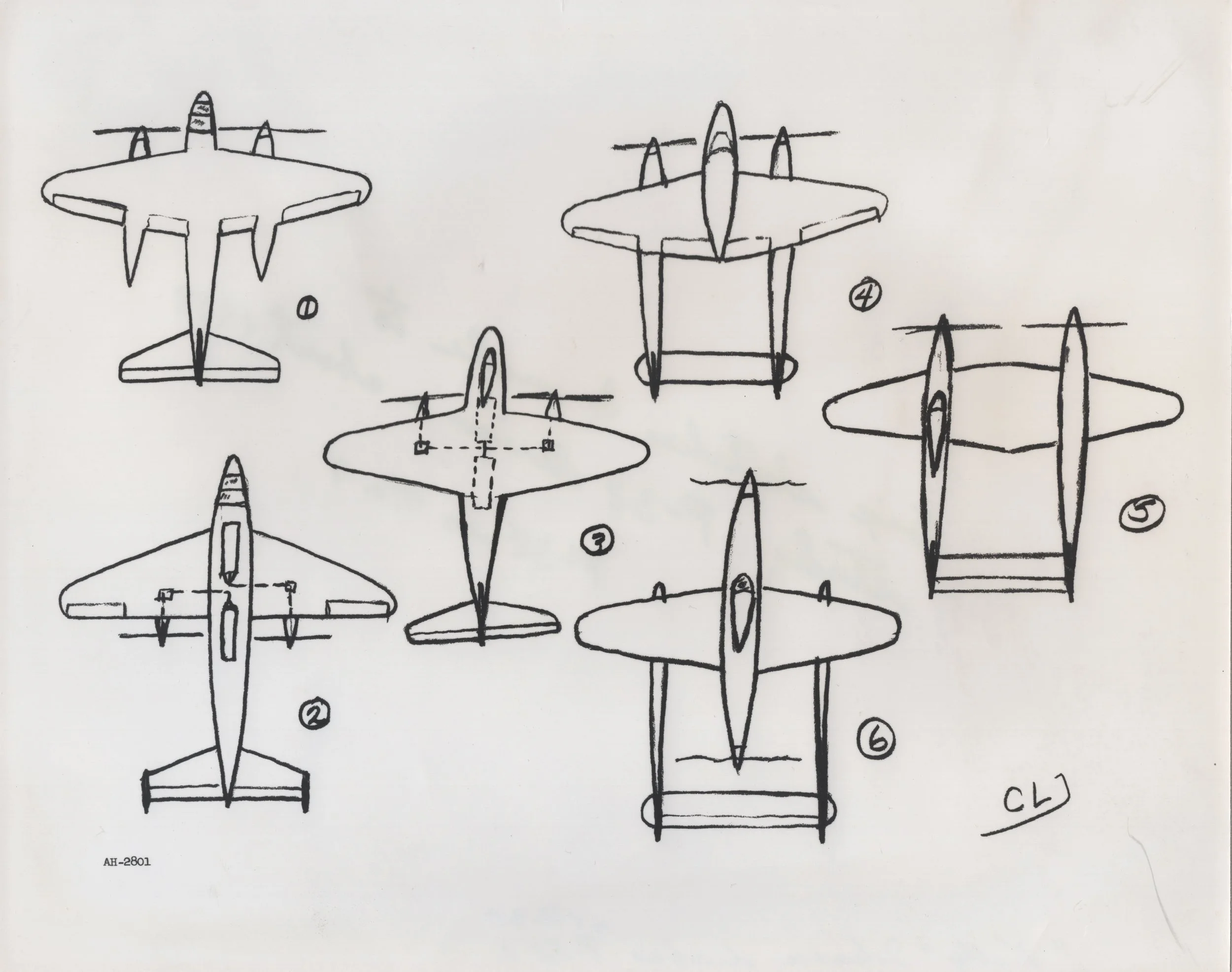
New!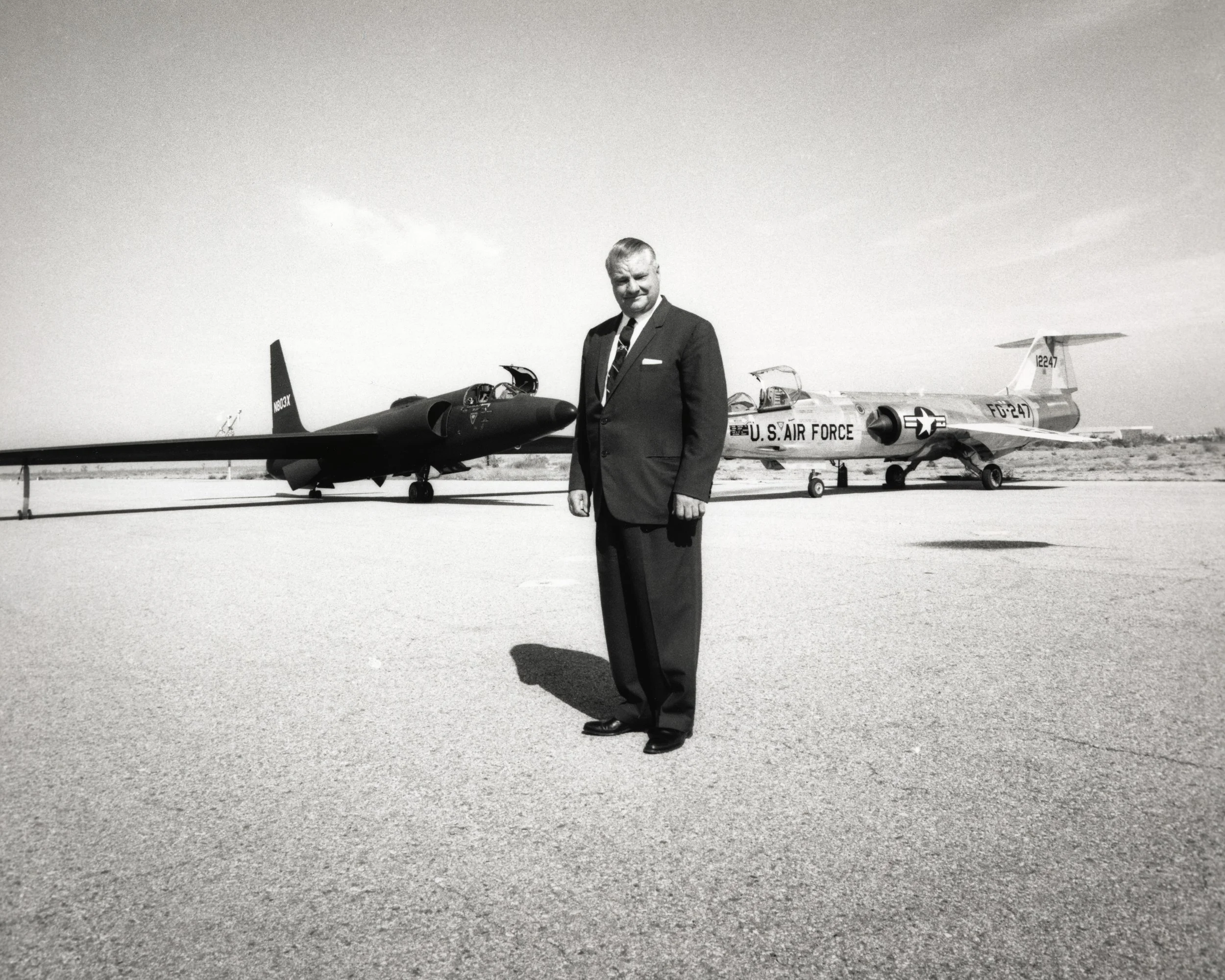
an unsung genius
Kelly Johnson was arguably the greatest aerospace designer of the 20th Century, who won two Collier prizes and led the creation of more than 40 airplanes. But he spent most of his life in the shadows, focused on delivering one engineering marvel after another.
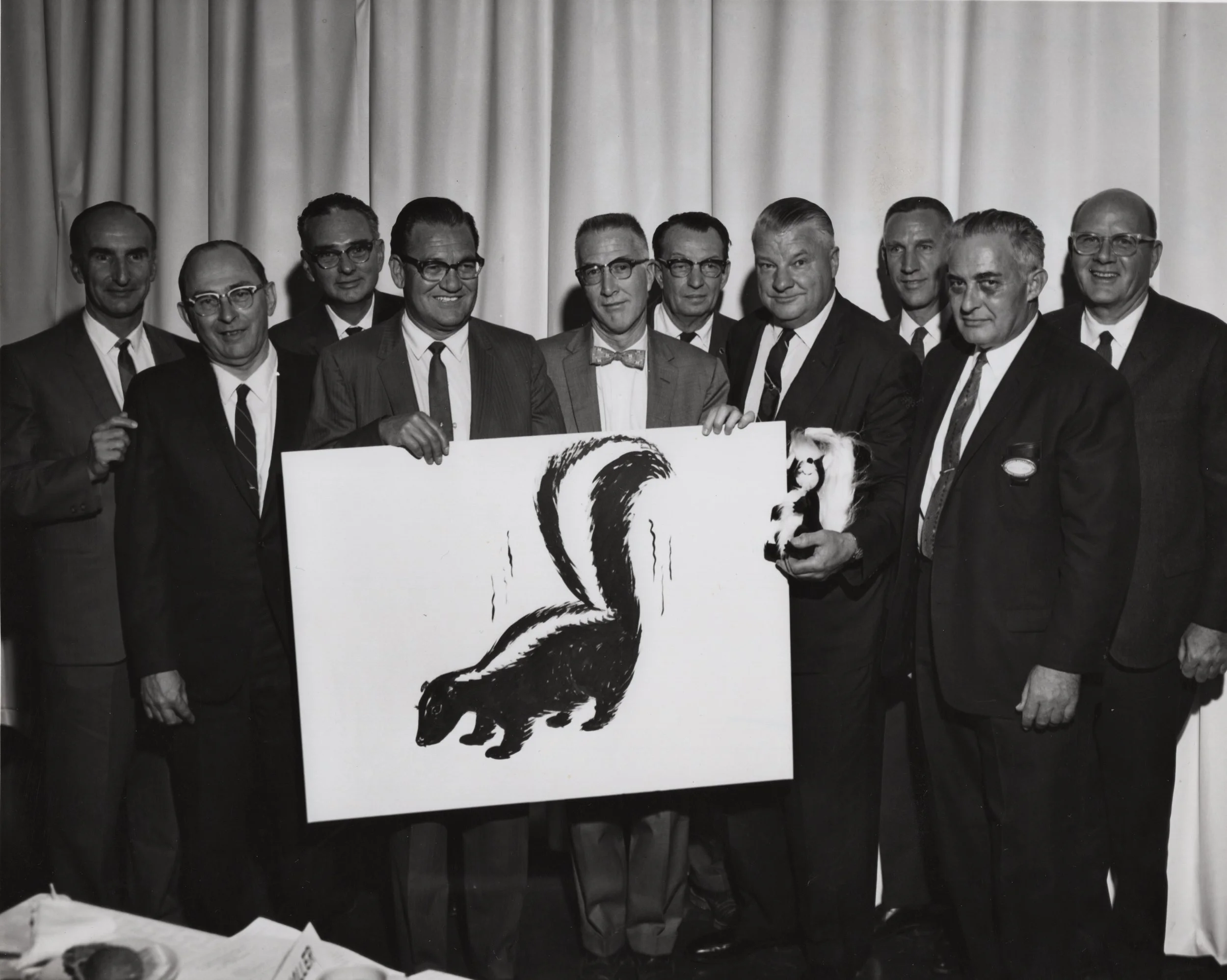
Move fast and break stuff … Keep it simple stupid
One miracle per project … No walls, minimal paper
It was a business, and a philosophy
Many tech companies claim to have a Skunk Works. What they mean by that is they have some kind of “new projects” division that takes bigger swings on unproven ideas. In theory, they’re claiming that this division operates differently than its parent company — it works fast and takes risks. And many of them probably have little or no idea that this now cliched business term (a “Skunk Works”) was coined by a group of men who worked in secret, doing mostly secret projects for the CIA and the Department of Defense on what is now a shopping center in the center of Burbank.